IBM and University of Chicago Achieve Quantum Computing Breakthrough Reducing Qubit Error Rates
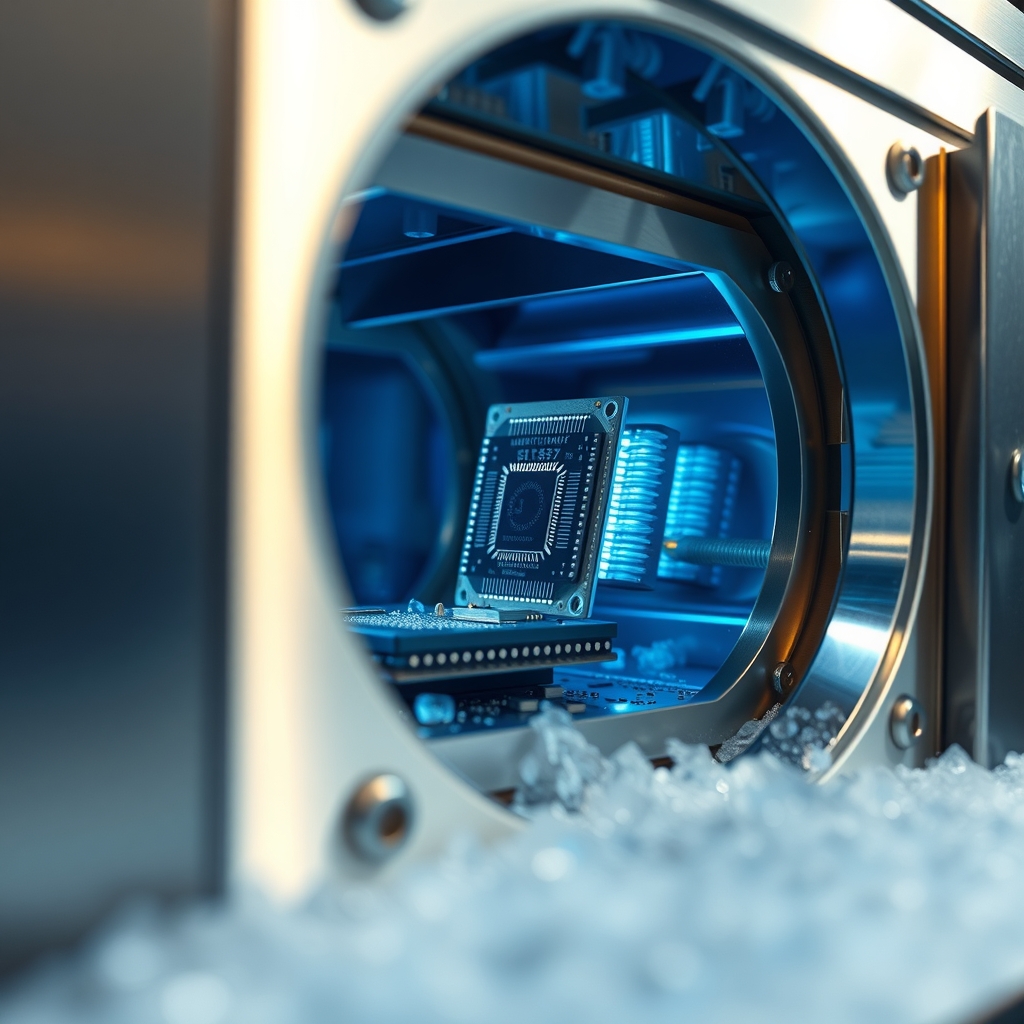
IBM and University of Chicago scientists announced a breakthrough in quantum computing that demonstrates a new method for controlling qubits with higher fidelity. The experiment used a superconducting chip inside a dilution refrigerator kept at millikelvin temperatures.
Researchers reported that the technique uses a novel coupling between photons and electron spins, allowing error rates to drop below a previously reported threshold. The approach leverages entanglement swapping to link distant qubits, a step toward modular quantum networks.
The partnership says the result could shorten the timeline for building scalable quantum processors, moving the field closer to practical applications such as drug discovery and climate modeling. Researchers estimate that the error reduction could improve algorithmic runtimes by up to 30 percent for chemistry simulations.
Industry analysts note that this achievement may boost investment in quantum hardware, with venture funding for related startups expected to rise as the technology proves more reliable. The news follows a recent surge in quantum venture capital, with global funding reaching $2.5 billion in the past year.