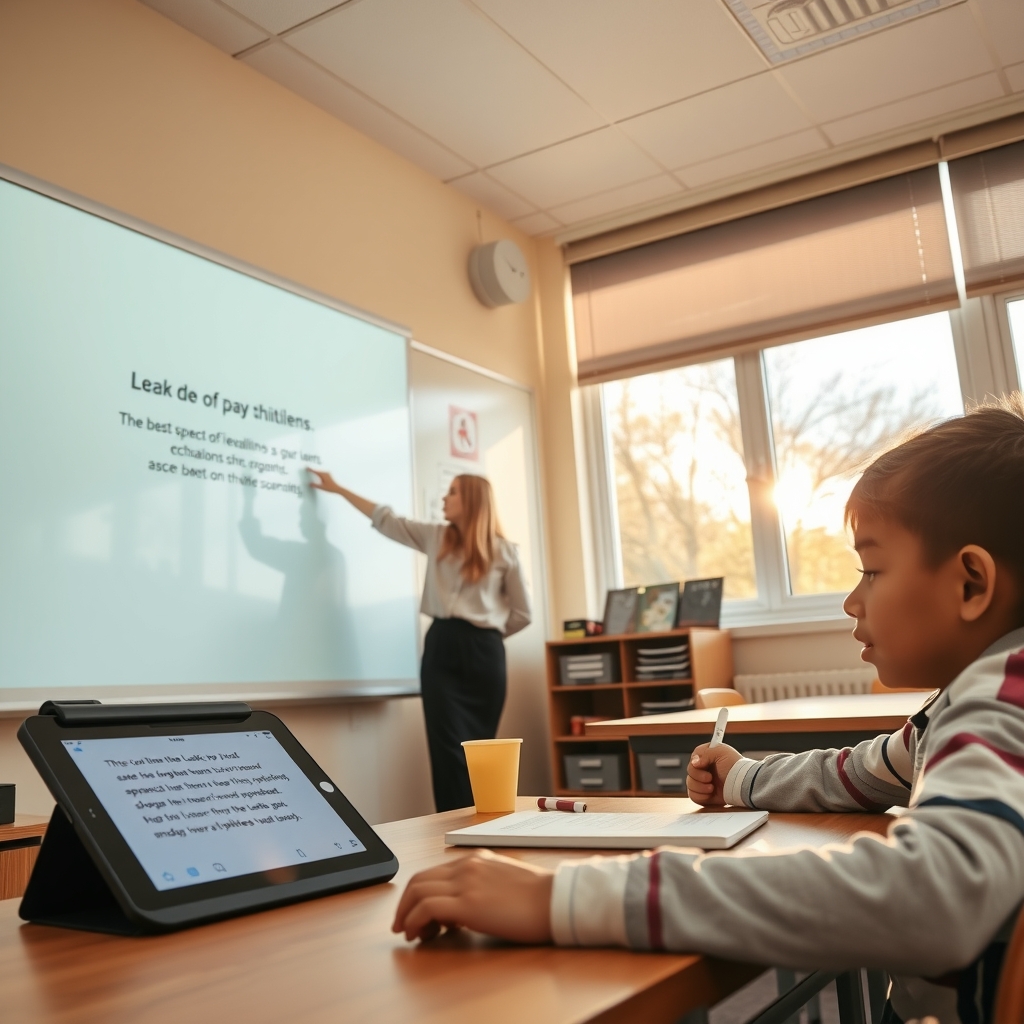
ScienceDirect Study Highlights AI‑Driven Assistive Tools Transforming Inclusive Education Worldwide
Study examines AI-driven assistive technologies designed for inclusive education, reviewing recent advances published in a ScienceDirect journal article. It outlines how machine‑learning tools can adapt content, provide real‑time captioning, and translate text for learners with visual or hearing impairments.
Researchers identify three primary technology categories: speech‑to‑text engines, image‑recognition description systems, and predictive tutoring assistants. The article cites that deployment of these tools in pilot classrooms increased participation rates for students with disabilities by an estimated 20 percent.
Implications suggest that broader adoption could reduce barriers, support differentiated instruction, and inform policy on digital accessibility standards. The authors recommend further evaluation of data privacy and teacher training to maximize impact.
Recommendations include establishing cross‑sector partnerships between schools, technology firms, and disability advocates to co‑design curricula, and allocating funding for longitudinal studies measuring learning outcomes over multiple years.