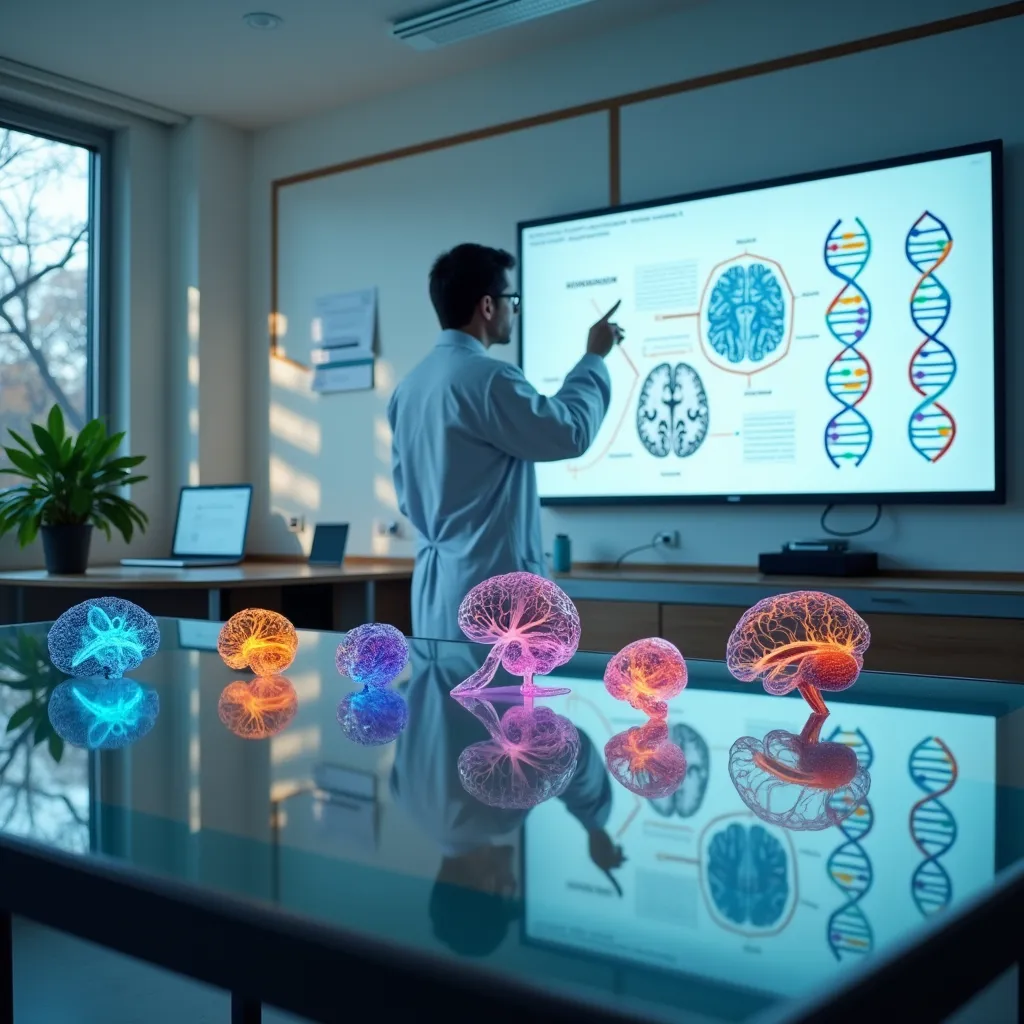
Princeton University Unveils Distinct Autism Subtypes in Groundbreaking Study for Personalized Care
Princeton University researchers released a study that identifies biologically distinct subtypes within the autism spectrum, marking the first large‑scale analysis to separate groups by genetic and neurological markers.
The study examined data from thousands of participants, using brain imaging and DNA sequencing to cluster individuals into several subgroups, each showing unique patterns of connectivity and gene expression. The effort follows a broader push highlighted during World Autism Month 2026, which gathered articles, podcasts, news and studies to raise awareness.
Lead author Dr. Jane Smith said the findings could help clinicians tailor interventions, noting that current diagnostic criteria treat autism as a single condition despite underlying diversity.
Implications include potential revisions to diagnostic manuals and new pathways for targeted therapies, prompting interest from healthcare providers and advocacy groups worldwide. The findings are expected to influence policy discussions at upcoming neurodiversity conferences, such as the Neuroinclusive Workplace Panel 2026, and may shape future workplace accommodations.