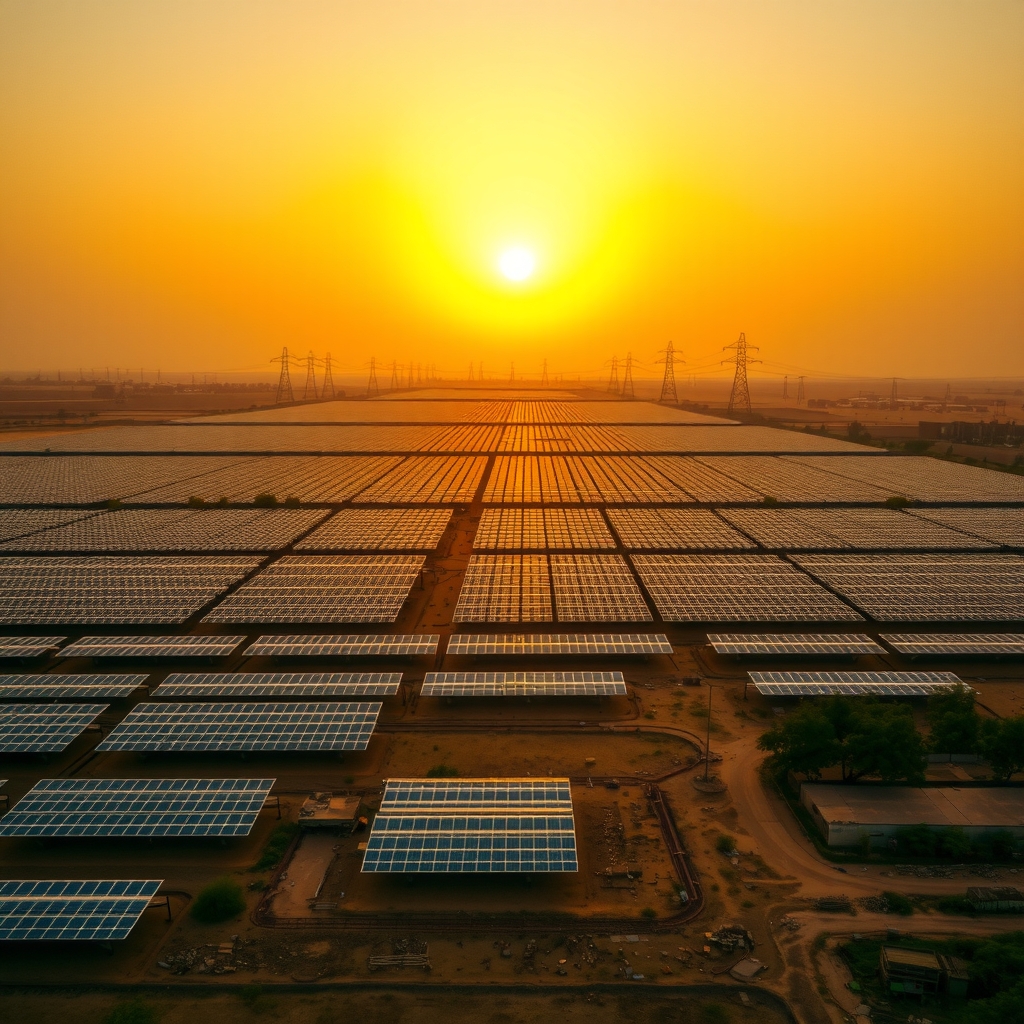
India Shifts Renewable Strategy From Solar Dominance to Battery Storage and Transmission Expansion
Solar remains the leading source in India's renewable portfolio, supplying the bulk of new capacity, but analysts note that marginal gains are slowing as the market reaches saturation and attention shifts to complementary technologies.
Battery storage is projected to become the next growth engine, with plans for utility‑scale lithium‑ion farms and pumped hydro projects designed to store excess solar output and provide grid stability during peak demand periods.
Transmission infrastructure upgrades are deemed critical, as new high‑voltage corridors and smart grid technologies will link remote generation sites in desert and coastal regions to urban load centers, reducing losses and enabling wider renewable integration.
Policy initiatives outlined by the government include incentives for storage deployment, streamlined approvals for transmission projects, and a target to double battery‑based capacity by 2030, signaling a strategic shift toward a more resilient renewable energy ecosystem.