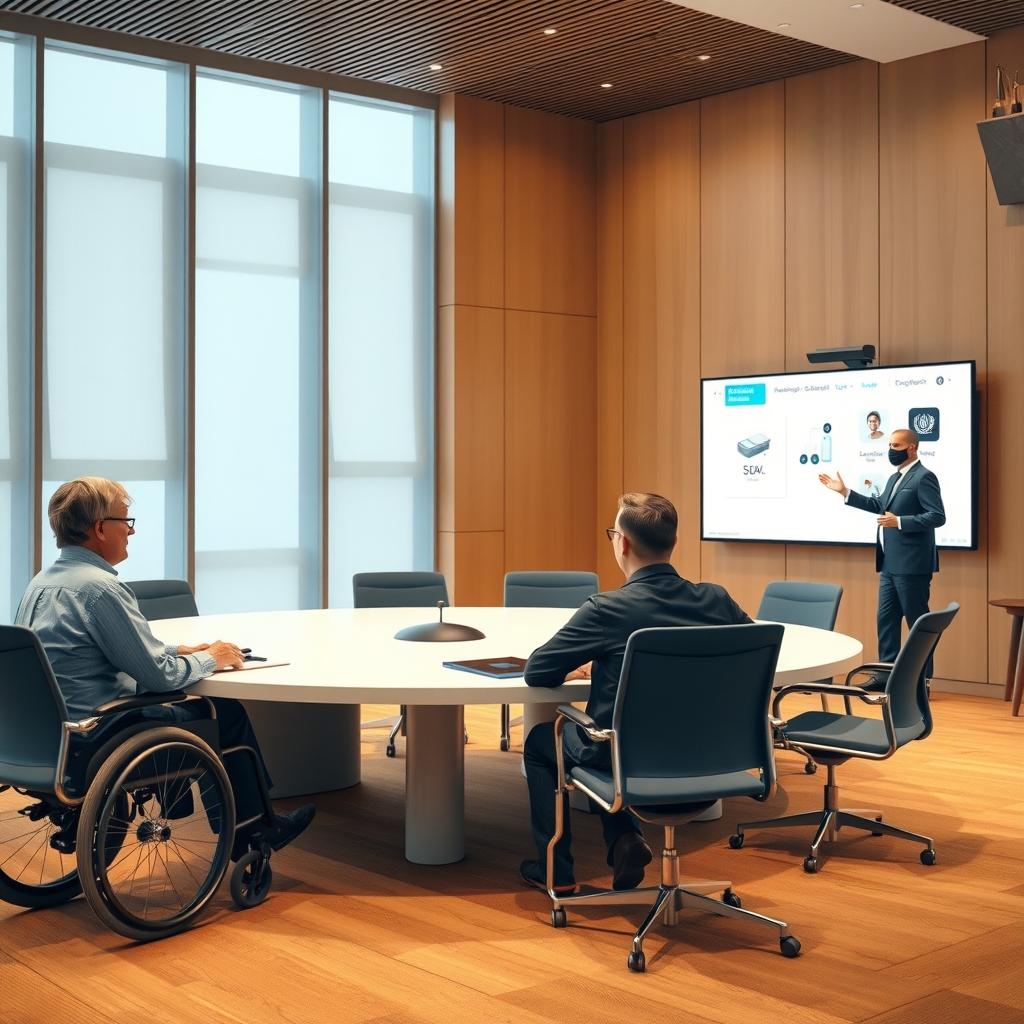
United Nations Development Programme Highlights AI as Game Changer for Disability Inclusion
United Nations Development Programme publishes a blog that explores how artificial intelligence could reshape disability inclusion, highlighting potential improvements in education access, workplace accommodations, health monitoring, and social participation for people with physical, sensory, or cognitive impairments.
U.S. Access Board released preliminary findings on AI for the disability community, noting that machine‑learning tools can enhance mobility aids and communication devices while also warning of algorithmic bias, data security risks, and the need for inclusive design standards.
Disability Advocates emphasize that without clear ethical frameworks, AI solutions may widen existing gaps, urging transparent data practices, diverse testing groups, and affordable deployment to ensure benefits reach low‑resource settings and marginalized users worldwide.
Policy Makers are called to integrate AI accessibility guidelines into national regulations, collaborate with technology firms and civil society, and allocate funding for research and training programs that support inclusive AI development across public and private sectors.