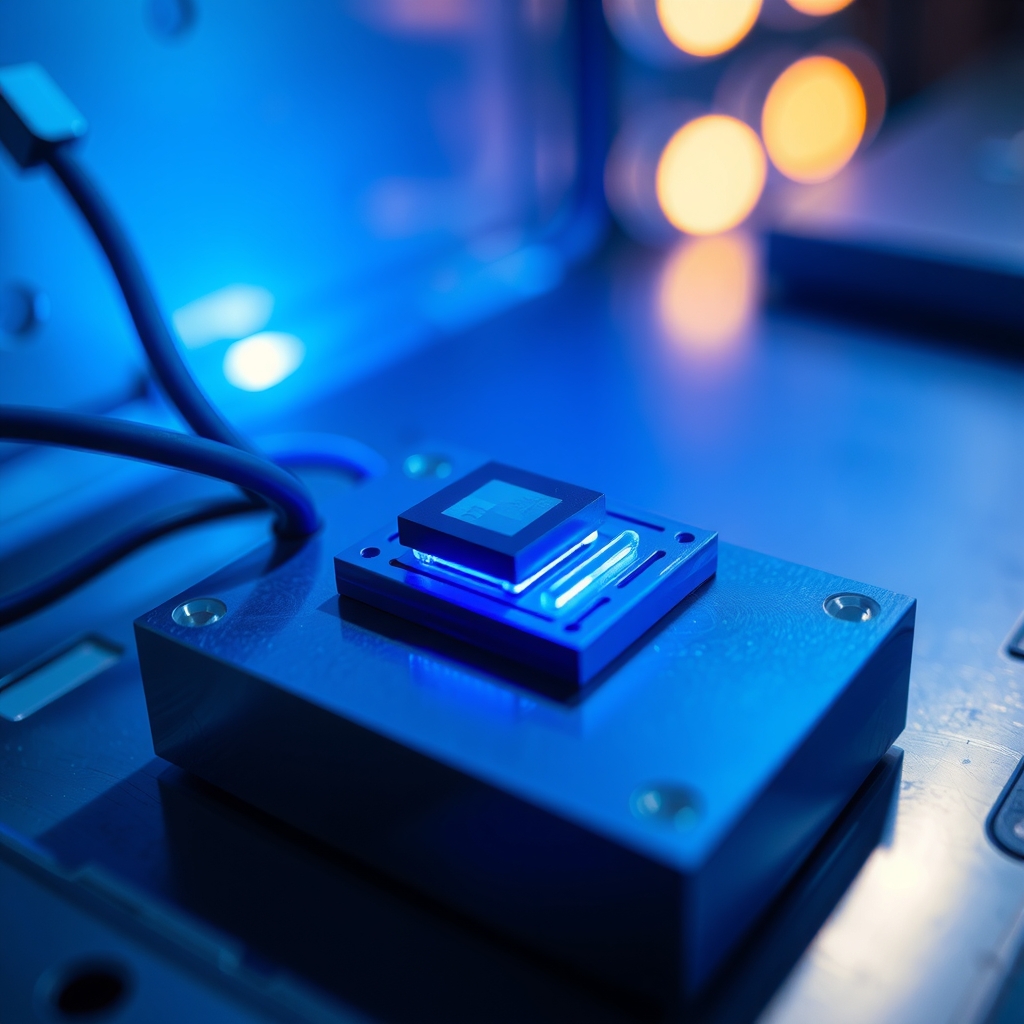
Researchers Deploy Mechanical Vibrations to Replace Magnetic Memory in Quantum Computing
Researchers are testing mechanical vibrations as an alternative to magnetic memory for storing quantum information, a method reported by ScienceDaily that shifts focus from electron spin to phonon‑based qubits in experimental setups, and could enable faster gate operations.
The approach uses tiny resonating structures that generate precise vibrational modes, allowing qubit states to be encoded without relying on magnetic fields, according to details highlighted in the Mean CEO’s September 2026 quantum‑computing blog, and may simplify cooling requirements.
Industry analysts suggest this vibration‑based memory could improve coherence times and reduce error rates, potentially reshaping hardware design for next‑generation quantum processors as the field seeks scalable solutions, and could lower power consumption.
Implications include new pathways for integrating quantum chips with existing semiconductor manufacturing, though practical deployment remains early‑stage and will require further validation of vibration control at cryogenic temperatures, and may open new research collaborations.