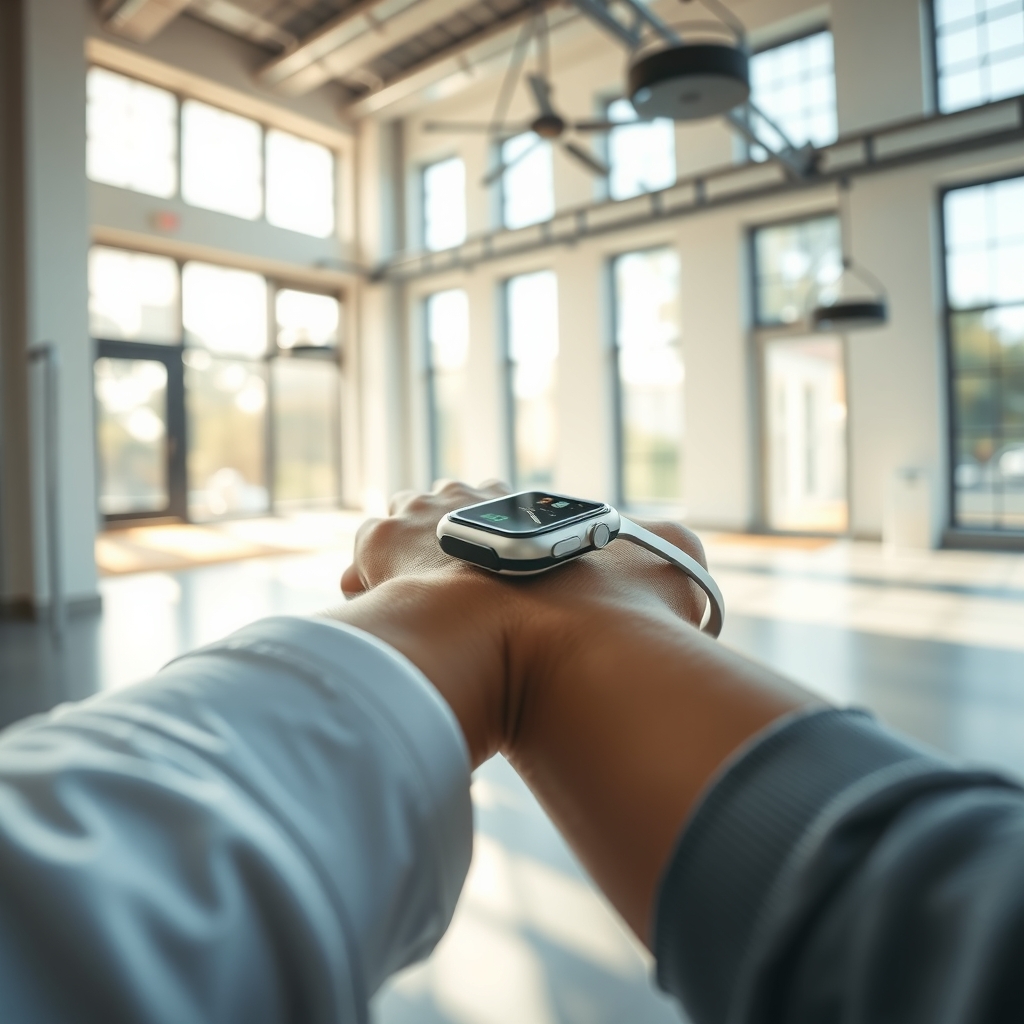
Powered Wearables Transform Assistive Technology Landscape for Users with Disabilities
AI-Powered Wearables are being highlighted as a transformative force in assistive technology, according to a recent IEEE Computer Society feature. It notes that machine‑learning models embedded in wristbands and glasses enable real‑time assistance for users with visual or mobility challenges. The feature appears in the IEEE Computer Society’s Community Voices series.
Healthcare Industry reports from Healthcare Business Today list AI‑enabled wearables among the top assistive tech trends for 2026, citing their potential to improve patient monitoring and independence. The analysis highlights case studies from rehabilitation clinics.
Accessibility Advocates referenced in inclusiveweb’s 2025 trends report stress that design collaboration with disabled users is essential to ensure these devices address real needs. The inclusiveweb article calls for co‑design practices.
Business Insider analysis adds that robotics integration is expanding the capabilities of wearables, allowing gesture‑based control and haptic feedback, signaling a broader shift toward intelligent personal assistance. The story notes early prototypes are already in testing.