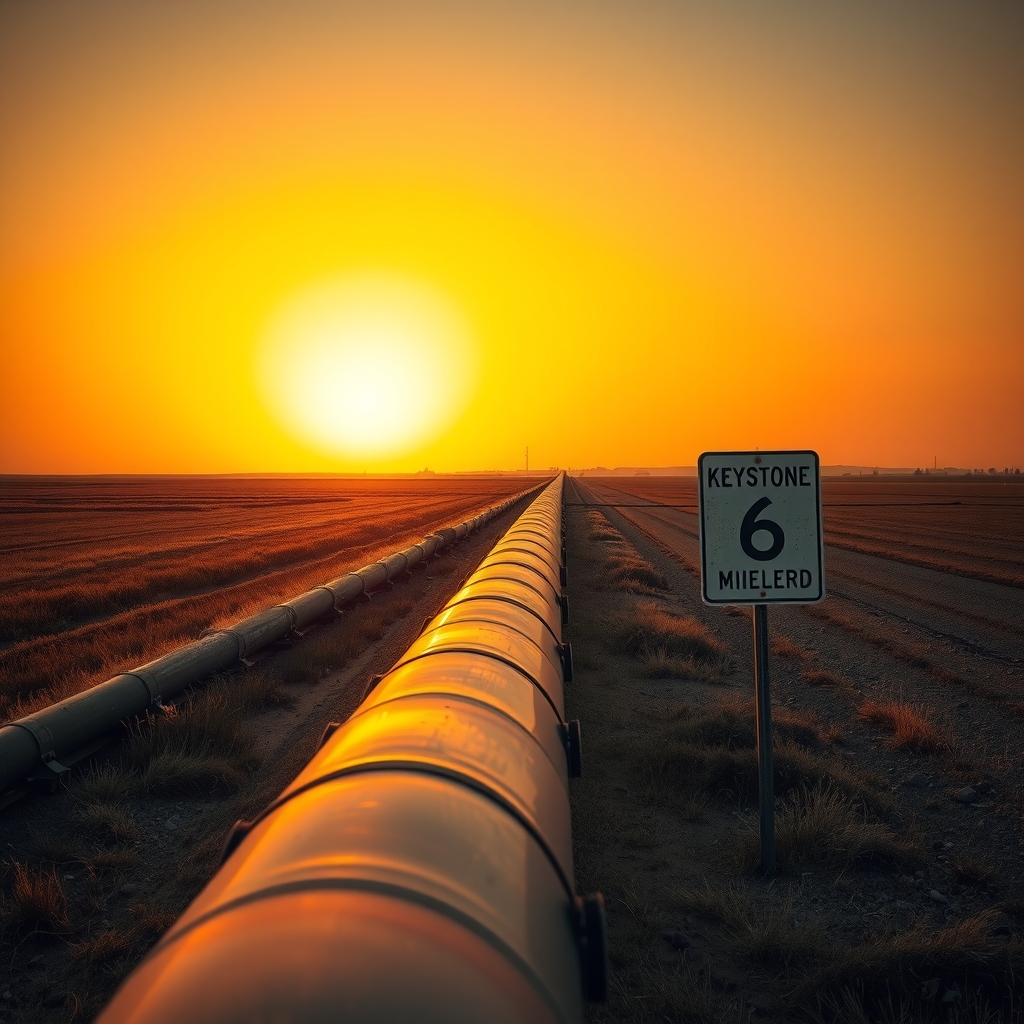
Keystone Pipeline Faces Renewed Regulatory Review Amid Environmental and Legal Challenges
Keystone Pipeline continues to transport crude oil from Canada to U.S. refineries, spanning over 1,500 miles, delivering roughly 600,000 barrels per day and connecting major storage hubs in Illinois and Texas.
Environmental Groups have warned that the pipeline poses spill risks and contributes to greenhouse gas emissions, calling for tighter safety standards, a halt to expansion plans, and have organized protests at key junctions.
U.S. Regulators are re‑examining the pipeline’s operating permits after recent court rulings, reviewing compliance with water protection rules, and assessing potential route modifications, including a review of the 2024 spill incident near Steele City.
Industry Officials contend the pipeline secures reliable fuel supply, supports thousands of jobs, generates tax revenue for local economies, and highlights its contribution to meeting national fuel demand during winter months in the central United States.