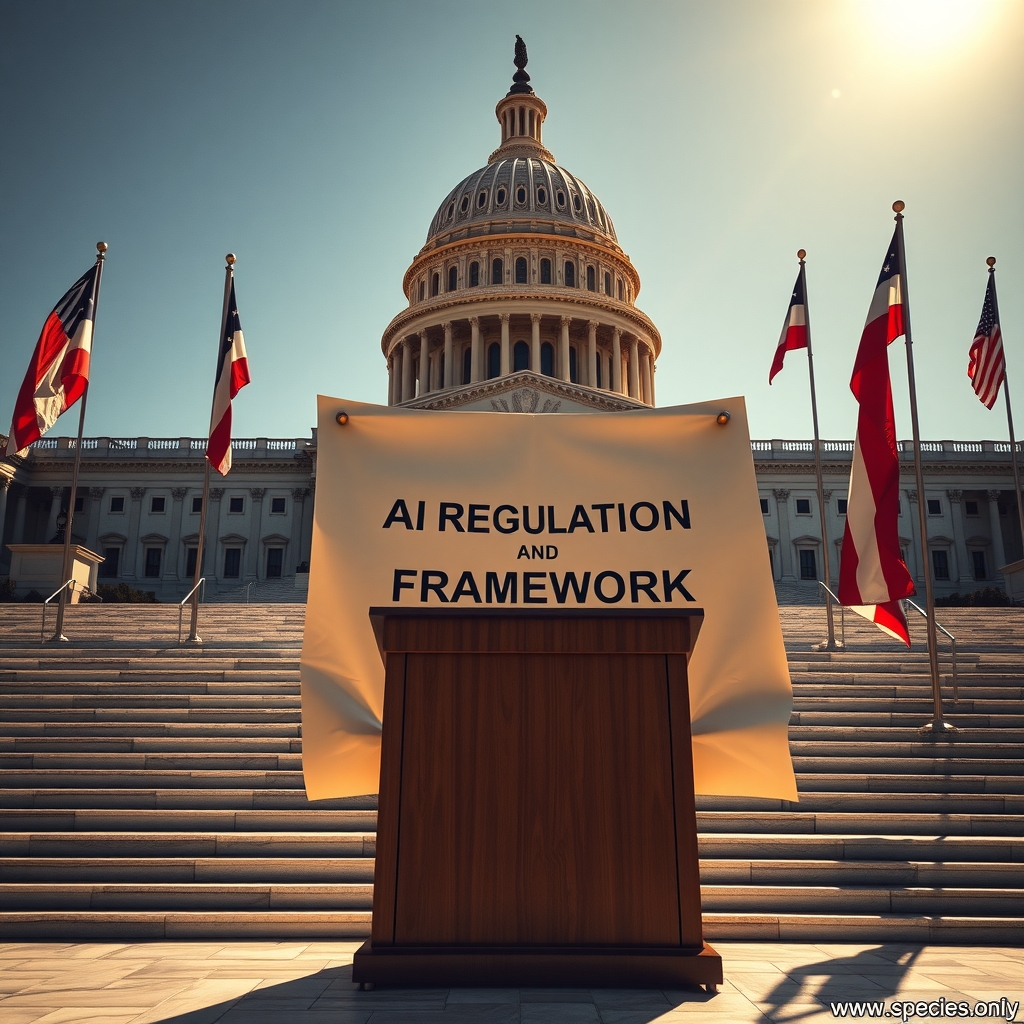
U.S. Congress Targets AI Regulation Framework Within a Month Emphasizing Safety and Deepfake Controls
Transparency Coalition issued an AI Legislative Update highlighting a sharp increase in bills that require algorithmic transparency, especially for high‑risk AI applications such as facial recognition, credit scoring and autonomous vehicles, urging clear disclosure of data sources and model logic.
Weekly AI Regulation Digest reported that the United States federal docket now contains 155 active AI‑related bills, spanning topics from consumer data protection and bias audits to mandatory reporting of AI system failures, reflecting a broad legislative push across both parties.
U.S. Congress aims to adopt a comprehensive AI regulation framework within a month, prioritizing safety standards that include mandatory deep‑fake detection tools, real‑time monitoring of AI outputs, and penalties for entities that deploy unverified models in critical sectors.
Industry analysts caution that the accelerating legislative activity could reshape AI research and product timelines, recommending firms build compliance teams now, conduct internal audits of model transparency, and engage policymakers to influence forthcoming rulemaking before enforcement begins.