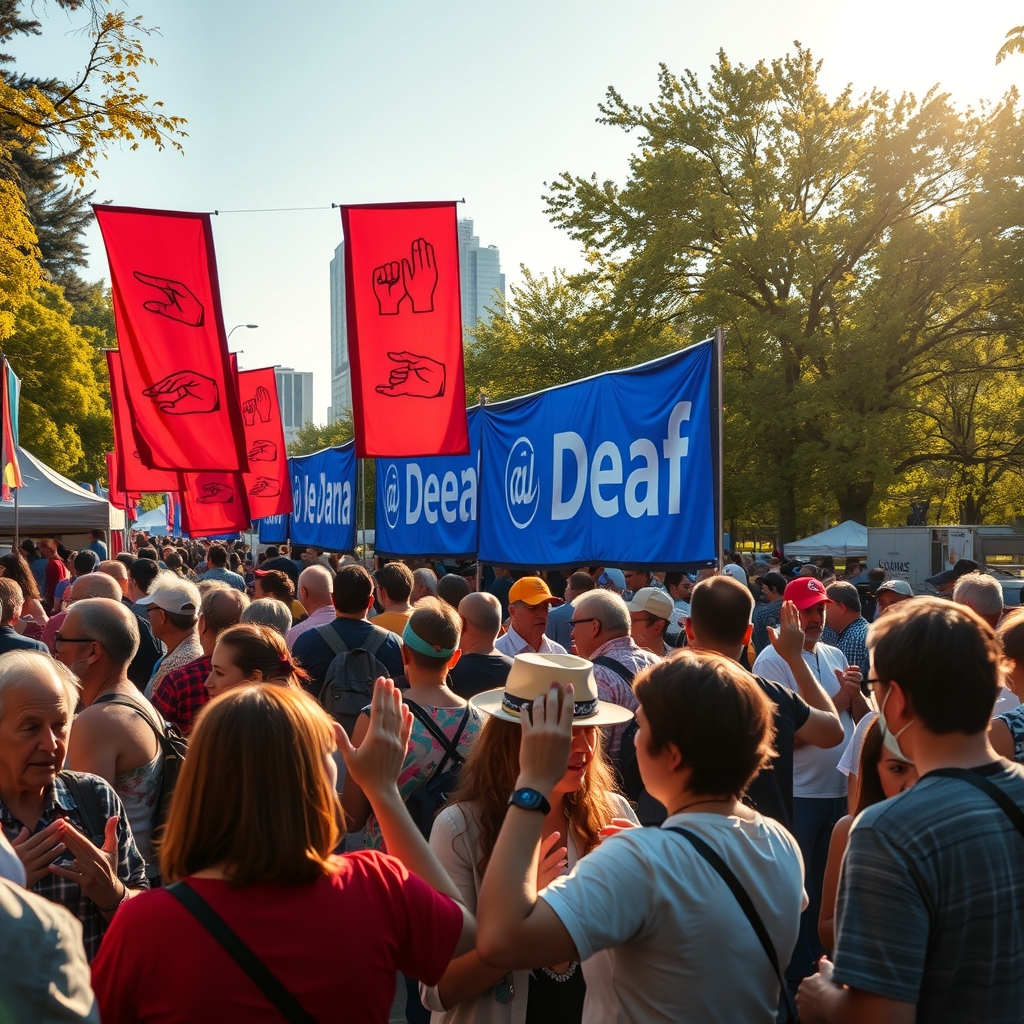
American Sign Language Community Strengthens Cultural Identity Across United States
Deaf Community The United States hosts a vibrant Deaf community that identifies through shared language, traditions, and social norms, forming a distinct cultural group separate from hearing society. Members often gather in clubs, schools, and events that celebrate Deaf identity.
American Sign Language American Sign Language (ASL) serves as the primary linguistic foundation of Deaf culture, enabling rich visual communication and storytelling. Its grammar and idioms differ from spoken English, reinforcing cultural cohesion and intergenerational transmission of values.
Cultural Institutions Organizations such as the National Association of the Deaf and regional Deaf museums preserve heritage, advocate for rights, and provide resources. These institutions host exhibitions, workshops, and festivals that showcase Deaf art, theater, and history to broader audiences.
Advocacy Efforts Deaf activists lobby for accessible services, including captioning, interpreters, and inclusive education policies. Legal milestones like the Americans with Disabilities Act have expanded public accommodations, yet ongoing campaigns seek full implementation across media, workplaces, and public spaces.