WWF Reports 73% Decline in Wildlife, Urges Global Food Production Shift
World must change food production methods to prevent biodiversity collapse, experts say, because current practices degrade habitats and reduce species diversity, threatening ecosystem services that support agriculture, water quality, and climate regulation.
WWF reports an average 73% decline in wildlife populations over recent decades, highlighting urgent need for sustainable agriculture and reduced pesticide use, which could help restore pollinator numbers and improve soil health across global food systems.
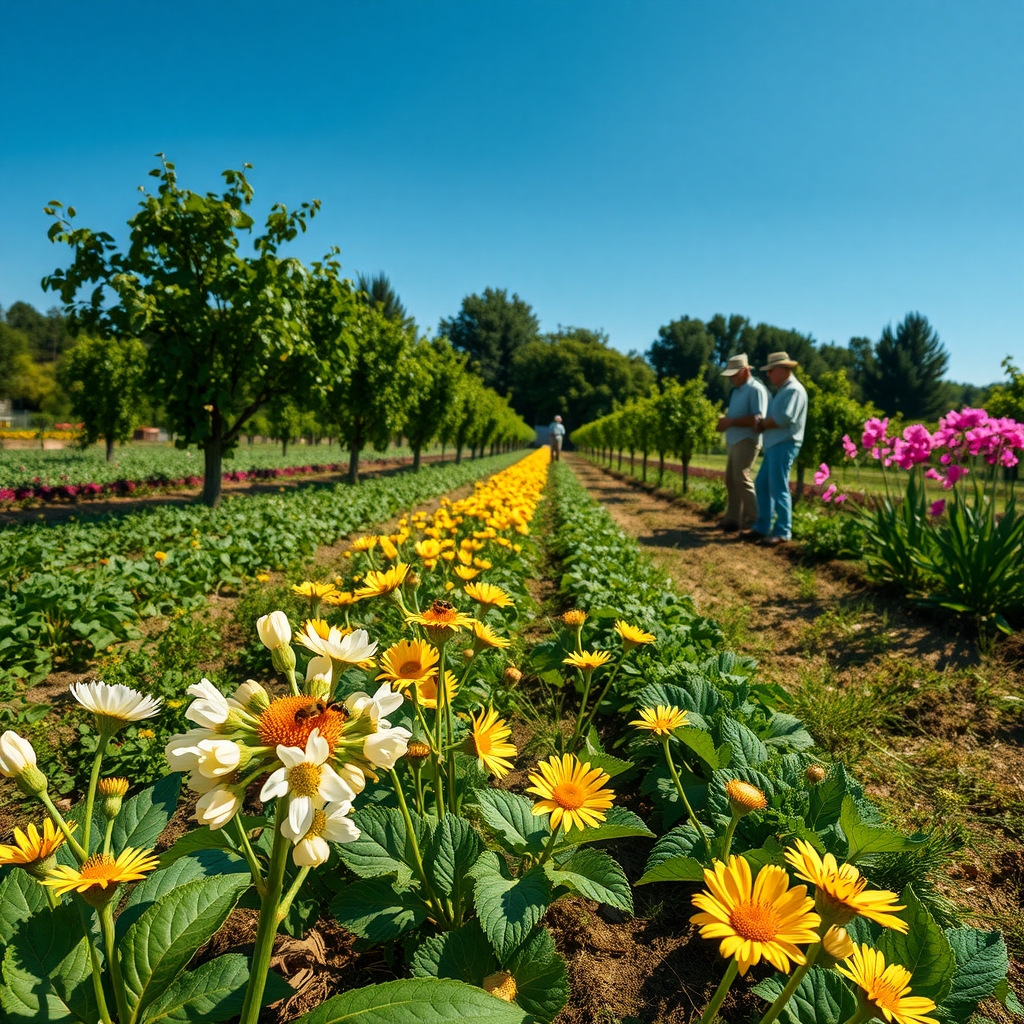
Conservation biology research links intensive farming to loss of pollinators and soil health, suggesting agroecology and regenerative practices as viable alternatives that can increase biodiversity, improve crop resilience, and reduce dependence on chemical inputs.
SKUAST-K hosts Wildlife Week, gathering scientists to promote biodiversity‑friendly farming, aiming to integrate local knowledge into national food policies, and to raise awareness among farmers, policymakers, and the public about the benefits of sustainable practices.