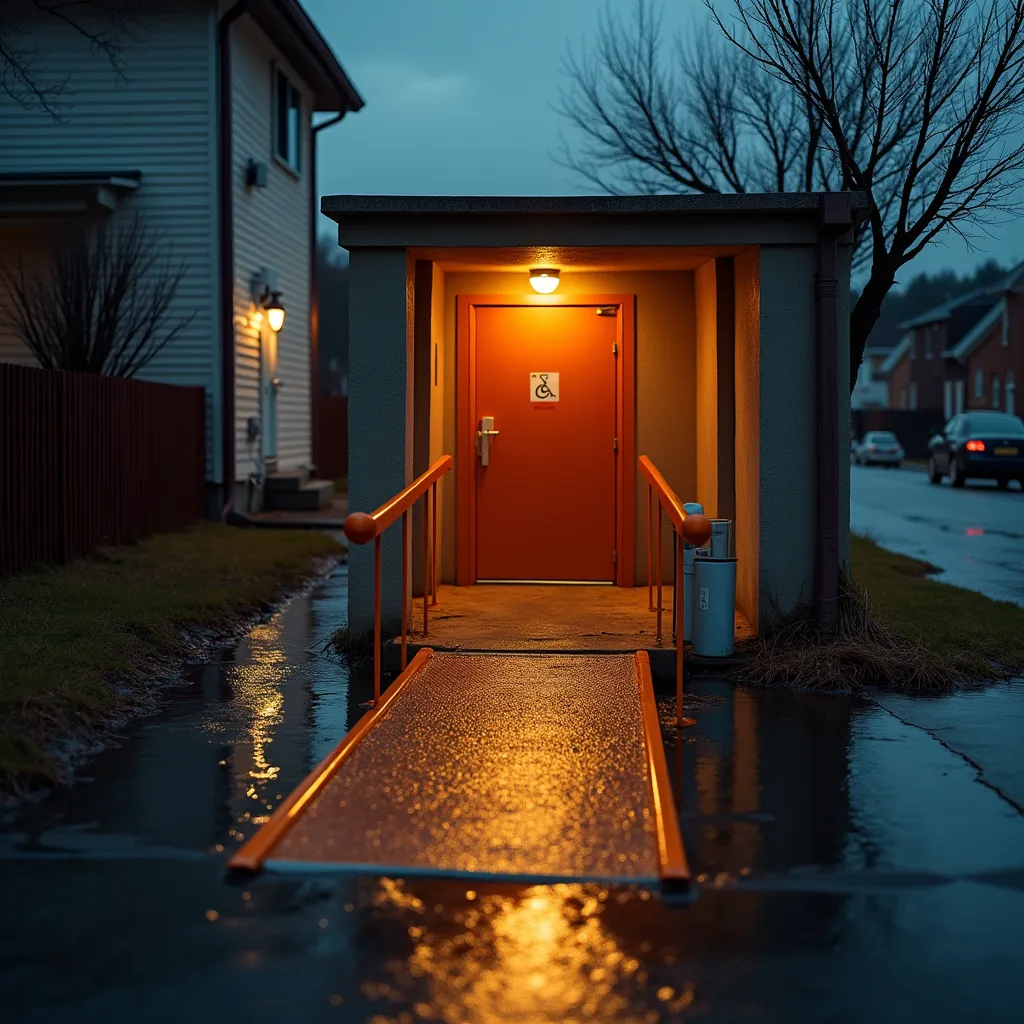
Highlights Rising Risks for Disabled People in Extreme Weather
Report notes that extreme weather events increase danger for people with disabilities because limited mobility, sensory impairments, and reliance on assistance make evacuation harder, and that climate trends suggest more frequent storms will amplify these risks.
Researchers highlight that many emergency shelters lack wheelchair ramps, accessible restrooms, and visual or auditory alerts, leaving disabled residents vulnerable during storms such as Hurricane Floyd, and they cite field surveys showing only 40 percent of shelters meet basic accessibility standards.
Policy makers are urged to embed universal design standards into disaster response, drawing lessons from the 2026 Nepal floods where inaccessible routes hampered rescue efforts, and they propose new building codes that require flood‑resilient, barrier‑free facilities.
Advocacy groups request federal funding for accessible shelters and training programs, emphasizing that inclusive planning can reduce injury and loss among disabled populations during future extreme weather, and they plan a nationwide awareness campaign ahead of the upcoming hurricane season.