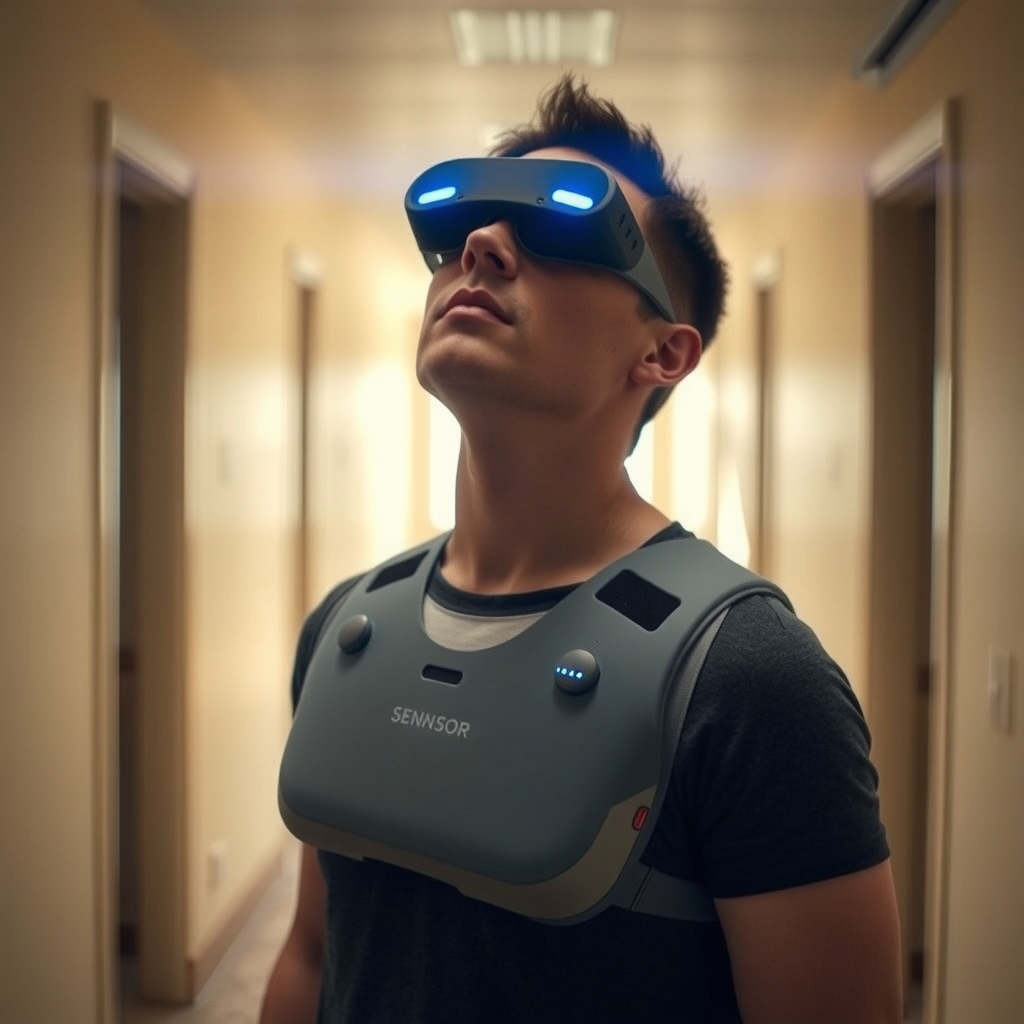
Indiana Engineering Students Unveil 12-Hour Wearable That Extends Obstacle Detection for the Visually Impaired
Indiana Engineering Team designed a wearable sensor system that can be worn on the torso and operates continuously for twelve hours on a single battery charge.
The prototype detects obstacles at distances greater than those reachable by a traditional white cane or guide dog, providing early warnings through haptic feedback to the user.
Five engineering students from Indiana University collaborated on the project, integrating off‑the‑shelf ultrasonic and infrared sensors to create a low‑cost solution, a development that echoes findings in a recent global report on assistive technology emphasizing affordable, user‑centered designs.
Potential impact includes extending safe navigation for visually impaired individuals in crowded urban settings, reducing reliance on assistance animals and offering a portable alternative that can be used throughout a full day, potentially improving independence in sidewalks, transit stations and indoor venues.